If your search history reads like “Hot tubs store near me” followed by a rabbit hole of “salt vs chlorine,” “best jets for back pain,” and “how much power does this thing actually use,” you’re in good company. A hot tub looks simple from the curb, but once you peel back the acrylic, you find pumps, plumbing, insulation strategies, water chemistry options, and sales jargon worthy of a used car lot. The good news: with a bit of grounded knowledge, you can separate a restorative backyard spa from a high-maintenance money pit.
I’ve spent more hours than I care to admit helping friends, clients, and skeptical spouses pick hot tubs. I’ve crawled under cabinets, tightened pump unions in snowstorms, and learned which “premium feature” pays for itself and which is just a backlit cup holder with a marketing team. If you’re browsing hot tubs for sale right now, or sizing up Winnipeg Hot Tubs ahead of a long prairie winter, here’s the field guide I wish everyone had before they walk into a showroom.
Start with how you’ll actually use it
Forget specs for a moment. Use drives design. The family who wants winter soaks after hockey practice needs different seating, jets, and controls than the couple planning sunset soaks and a glass of Pinot. Be honest about two things: how many bodies, how often, and what you want to feel afterward.
Most people picture weekend fun. Then real life happens. The tubs that get used three to five nights a week share a few traits: easy covers, intuitive controls, quiet circulation, and, crucially, a water-care setup that doesn’t turn into a science project. The most expensive tub in the world won’t get used if you dread opening it.
Size, seating, and the ergonomics that sneak up on you
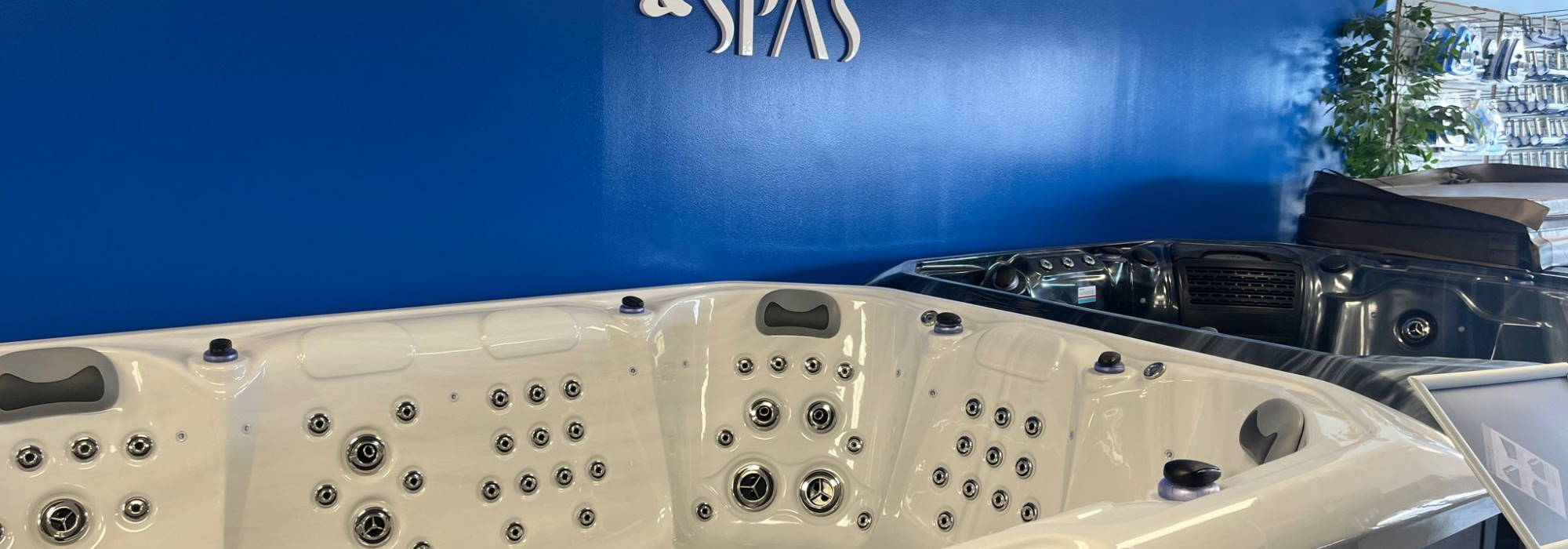
Manufacturers describe tubs in “seats,” but that number is often generous. A seven-seat tub might comfortably fit five adults without knees arguing for legroom. Wet test if possible. Dry testing is better than nothing, but buoyancy changes everything. That deep, sculpted lounger you loved on the showroom floor can float you up like a pool noodle if the footwell and calf channels aren’t designed properly. Loungers are polarizing: some people adore them and never go back, others find they hog too much space for rare solo sessions.
Bench seating earns points for flexibility. It fits kids, tall friends, and lets you shift around for different jet angles. Corner captain’s chairs usually deliver the best massage. Sit in every seat and feel the shoulder height. If your shoulders sit above the waterline when you’re upright, you’ll be cold in January.
Two numbers to check that salespeople glide past: water depth and footwell size. A deeper soak keeps heat in around winter shoulders, but if the footwell is cramped, everyone plays footsies. Look for a defined cool-down step too. You’ll use it when you’re overheating or supervising small swimmers.
Jets, pumps, and what “horsepower” really means in a hot tub
Jet counts look impressive on placards, but quantity is a weak proxy for quality. I’d rather have 24 well-placed, adjustable hydrotherapy jets powered by a balanced pump than 60 tiny air spritzers. Focus on jet variety and placement: rotating jets for broad muscle groups, directional jets for knots along the scapula, gentle air infusion for circulation. Adjustable flow at each seat means you can tone down one area while ramping up another.
Pump horsepower is famously “optimistic.” Some brands quote “brake horsepower,” which inflates the number compared to continuous duty ratings. Ignore peak marketing numbers and ask about total pump amperage, plumbing diameter, and overall hydraulic design. A 2-speed pump paired with a dedicated circulation pump tends to deliver the best daily experience: strong massage when you want it, quiet filtration the rest of the time.
A practical note from too many winter service calls: fewer diverter valves equals fewer points of failure. They are useful for directing flow, but cheap diverters can whistle, stick, and leak. Smooth, quarter-turn Swim and Spas actions feel right when you test them.
Insulation and winter performance, especially if you live where winter means business
If you’re shopping Winnipeg Hot Tubs, or anywhere that sees a proper freeze, insulation is not a footnote. There are three common approaches: full-foam, perimeter insulation, and hybrids. Full-foam fills the cabinet with expanding foam around the plumbing, which supports pipes and reduces vibration, and traps heat effectively. The downside is service access. Perimeter insulation leaves pipes accessible but relies on reflective barriers and warm air in the cabinet. In very cold climates, hybrids often hit the sweet spot: pipe support and heat retention where it matters, with service channels that don’t require a foam archaeology expedition.
Ask for a panel off. If the salesperson hesitates, push. You want to see consistent insulation, a well-sealed equipment bay, and no daylight holes that invite drafts. Check the base pan too. A one-piece ABS or composite pan resists moisture from below, keeps rodents out, and prevents mold. Wooden bases on pavers can wick water over time, then swell, then crack your patience.
Energy efficiency claims are slippery. Look for third-party data or at least a clear run cost estimate at a stated water temperature and ambient condition. A ballpark: a well-insulated, mid-sized tub in a cold climate often costs the equivalent of one to three dollars per day across a full year, with winter spikes and summer dips. If you hear “pennies a day,” ask them to define the currency.
Electrical, site prep, and the big construction mistake
The sales floor is warm and scented with aromatherapy beads. Your backyard is not. Before you swipe a card, plan your site like a small renovation.
Most full-sized tubs want 240V, 40 to 60 amp service with a GFCI disconnect within sight. A 120V plug-and-play unit is fine for small spaces and mild climates, but in winter you’ll often have to choose between heating and jet power, since the heater may pause when the pump runs on high. If you plan to use it nightly and love strong jets, go 240V.
Pad and drainage matter. A hot tub with water weighs as much as a small car. Concrete pads shine for longevity, though compacted gravel with pavers can work if it’s done carefully. The ground must be level within a quarter inch. Water needs a way to leave the area, not sit and freeze around the base. Landscape slices can make or break maintenance: give yourself clean access to at least one full side of the cabinet where the equipment bay lives. Backing your tub tight against a fence because it looks tidy is a classic regret when a tech needs to pull a pump.
Overhead clearance is the quiet villain. Cover lifters need swing room. Under eaves, pergolas, or low decks, measure twice and add two inches. If you plan a built-in look with decking, leave removable panels and actual knuckle room to reach unions, pumps, and gate valves. Your future self will thank you.
Covers, lifters, and why speed matters on a Tuesday night
A heavy, waterlogged cover kills daily use faster than any other feature. A good cover is dense foam with tapered design for runoff, high-quality vapor barriers to slow water absorption, and stitched handles that don’t tear after one season. A cover lifter turns a chore into a five-second move, which is the difference between a quick soak and “maybe tomorrow.” Test lifters with a real cover on the showroom floor. Some models sit upright and block wind, which is nice in January, but can catch gusts in exposed yards. Side-mount lifters demand more lateral clearance.
If you see a “free cover” bundled with an otherwise premium tub, ask its weight and warranty. Low-end covers feel lighter on day one, then drink up moisture like a sponge. Within a year you’re wrestling a soggy futon.
Water care: salt, chlorine, bromine, ozone, and UV without the mystique
People overcomplicate water care because it sounds like chemistry class. Day to day, you’re managing disinfectant, pH, alkalinity, and total dissolved solids. You’ll test water once or twice a week, tweak a bit, and change all the water every three to four months in steady-use households. That interval shortens with heavy use and edgy products like bubble bath or hair gel.
Saltwater systems get a lot of attention. A salt system is just a chlorine generator: it converts a measured salt level into chlorine in situ. The upsides are steadier sanitizer levels and a softer feel on the skin. The trade-offs: cell replacements every couple of years, corrosion potential if chemistry drifts, and the need to respect the manufacturer’s salt range. In cold climates, salt systems still work fine, but you need discipline with winter testing when you’d rather be indoors.
Bromine remains popular in hot water because it’s more stable at higher temperatures and less pH sensitive, though it can be pricier and smell a bit different. Traditional chlorine works as well as it ever did if you keep it balanced and shock routinely. Ozone and UV are great support actors, not full replacements. They reduce the sanitizer load and handle some byproducts, but you still need a residual sanitizer.
I encourage buyers to choose the method they’ll actually maintain. A salt-curious person who dreads cell replacement is a poor match. Someone who loves tinkering and exact numbers might find bromine too set-and-forget. Ask the store to walk you through a realistic weekly routine using the exact system you’re considering. If their explanation takes 20 minutes and three different bottles for daily use, keep shopping.
Filtration and circulation, the quiet heroes
A dedicated low-watt circulation pump should run most of the day, keeping the water moving through the heater, ozone, and filter without sounding like a shop vac. Some budget tubs rely on their big jet pump for scheduled filtration cycles. Those systems can work, but they are louder and may leave water still for hours, which is not ideal for clarity or heat consistency.
Filter access should be effortless. Cartridge filters last one to two years with regular rinsing. Keep a spare set and swap monthly: one in the tub, one drying thoroughly to prevent a musty smell. If you find the filter bay crowded or the basket fiddly, imagine servicing it on a -10 night in January. That little annoyance grows teeth.
Shells, cabinets, and what actually lasts
Acrylic shells with proper backing are the gold standard for durability. Rotationally molded polyethylene tubs are tough and budget friendly, but often have simpler jet arrays and more limited insulation. Both can be good, but you want to see uniform support under the shell. Press with a flat palm around jet clusters. A little give is normal, spongy flex is not.
Synthetic cabinets have come a long way. Composite cladding that resists UV and frost beats stained wood in most cases, unless you love sanding and oiling every season. Check corner joints and panel fasteners. Loose clips rattle in wind and make service a chore.
Stainless fasteners, sealed light housings, and a clean equipment layout tell you a manufacturer cared about lifecycle ownership. Taped wire nuts in a damp bay are a red flag.
Warranty and service, the part no one reads until they need it
The best warranty covers the shell against structural failure for at least 5 years, often 10 to lifetime, the surface for blistering or cracks for 2 to 5, plumbing and electrical for 2 to 5, and components like pumps and heaters for 2 to 3. Read the exclusions. Freeze damage is usually not covered. Neither is chemical abuse, which is an umbrella term covering everything from bleach experiments to hot-tub cocktails gone wrong.
Here is where your “hot tubs store near me” search pays off. A strong local dealer with in-house service is worth more than an extra dozen LEDs. Ask how many techs they employ, their average response time during cold snaps, and whether they stock common parts like pump seals, heaters, and topside controls. Call their service line anonymously on a weekday afternoon and see how long it takes to reach a human. That’s the clock you’ll hear when your heater throws a high-limit error on New Year’s Eve.

Price tiers and what you actually get as you spend more
Entry-level tubs in the 3,000 to 6,000 range often use rotationally molded shells, basic insulation, fewer jets, and plug-and-play power. They deliver warm water and relaxation without frills, and they shine for tight budgets or seasonal cabins.
Midrange tubs from 7,000 to 12,000 are where most buyers land. You get stronger frames, better shells, improved insulation, a dedicated circulation pump, and enough jet variety for real hydrotherapy. You also start to see salt option kits, UV/ozone combos, and more refined seating.
Premium tubs run 12,000 to 20,000 and beyond. This tier adds heavier cabinets, thicker covers, whisper-quiet circulation, advanced insulation that actually lowers long-term power bills in cold climates, and massage zones tuned for specific muscle groups. Lights and water features are nice, but the enduring value comes from efficiency and ergonomics. A top-tier tub that saves 20 to 30 dollars a month in winter compared to a mid-tier model can erase part of the initial premium over a few years, especially where electricity rates run high.
Financing exists, but read the fine print. Manufacturers’ 0 percent promos can be excellent if you avoid add-ons piled into the loan. If the store waves “free steps, free chemicals for a year, free Bluetooth,” price the unit alone and the bundle separately. Free almost always comes out of margin.
Delivery, setup, and the day your yard turns into a forklift parade
Confirm delivery method. Many tubs arrive by tilt trailer or small forklift. Narrow side yards can be navigated with a spa dolly standing the tub on edge. If your access is tight, expect a crane charge. Get it in writing, including responsibility for site damage. Remove fence panels before the crew arrives, not while they wait on the clock.
On placement day, the electrician should have the GFCI wired and the whip ready, or return promptly after the tub is situated. Filling through a pre-filter reduces metals and grit that cause startup headaches. Use a hose in the filter bay to fill through the plumbing loop, which helps purge air from the heater. Tell the crew you want a full wet test before they leave: pumps on high, diverters set, jets purged, heater confirmed. If you hear grinding or see no flow lights, fix it now, not after they drive away.
Daily life with a hot tub: what owners really do
The tubs that become a ritual share small conveniences. The path from back door to tub stays shoveled and lit. Hooks for robes and towels sit under a small overhang. A rubber mat keeps the exit area grippy. A small table or shelf holds water test strips and a scoop of shock granules. A dedicated pair of sandals lives by the door. None of this costs much, but it cuts friction.
Winter owners learn to flip the cover back only halfway in frigid wind to keep steam from condensing on plants or siding. Summer owners run a 20-minute filtration boost after big parties. Everyone learns to forbid glass. Stainless tumblers or sturdy plastic only. Broken glass in a hot tub is the kind of story you don’t want to tell.
Edge cases you won’t find on a brochure
- Noise travel surprises people. A well-insulated tub is quiet, but cheap cabinets can thrum when pumps ramp up. If your neighbor’s bedroom sits ten feet away, choose a model with a dedicated circ pump and schedule heavy filtration for daytime. Rodents love warm cabinets. A sealed base pan and tight grommets stop most guests. Peppermint oil does not defeat a determined mouse. Steel wool around conduit holes, yes. If you’re tall, foot jets can be a love-hate feature. In small tubs, they trap toes. Try the seat and push against them. If your knees hit your chest, that seat isn’t yours. Some Bluetooth sound systems sound fine at five minutes, then die in a season. Outdoor electronics are harsh. If music matters, use a separate weatherproof speaker you can upgrade without opening the cabinet.
Shopping smart: the five-minute checklist you bring to a showroom
- Sit in every seat, ask for water testing if available, and check shoulder height relative to the waterline. Open an access panel. Look for neat plumbing, sealed base, quality insulation, and clean wiring. Ask to see the warranty in writing. Confirm local service response and parts stock. Verify electrical requirements, cover weight, lifter type, and real run-cost estimates in your climate. Request a simple walk-through of the weekly water care routine using your chosen system.
Tape that to your notes app before you stroll past the aromatherapy shelf.
Local matters: why “hot tubs store near me” beats a bargain from three provinces away
A local dealer does more than swipe your card. They guide site prep, coordinate electricians, show up when a union drips, and sometimes save a freeze-up when you’re out of town. If you’re looking at Winnipeg Hot Tubs, you want someone who has seen February eat a lazy install. Ask them how they winterize tubs for travel, how they handle power outages, and which insulation packages survive the wind off the Red.
Online prices can undercut brick-and-mortar by a chunk, but consider shipping, crane, and the reality that phone support at 8 p.m. in sleet isn’t the same as a tech who knows your backyard gate. That said, a good store welcomes informed buyers. If the salesperson can’t answer basic hydraulic or electrical questions without retreating to “it’s premium,” take your wallet elsewhere.
The three decisions that matter most long after the romance fades
People agonize over lights and waterfalls. Years later, they care about three things: comfort, quiet efficiency, and easy care. Comfort is seating that fits your body and jets that hit the right muscles without blasting your kidneys. Quiet efficiency is a cabinet that holds heat in January without screaming pumps. Easy care is a circulation system and water-care method that you can manage in five minutes, plus a cover you can flip with one hand.
Nail those, and you’ll use the tub on a Tuesday after a long day, which is the whole point. Skip them, and you’ll start inventing reasons to stay on the couch.
A quick note for buyers sifting “hot tubs for sale” ads
Classifieds and clearance sections can hide gems. They also hide scratched shells, discontinued control boards, and stress-cracked corners. If a unit is a floor model, ask for its manufacturing date and whether the controller firmware is current. If it’s used, power it up wet before money changes hands. Check that every jet zone works, the heater climbs at a normal rate, and there are no error codes. A spa with a bargain price and a controller no longer supported by the manufacturer can turn into a scavenger hunt for parts.
The quiet joy you’re actually buying
People talk about hydrotherapy for sore backs, and that’s real. Sitting neck deep on a cold night while a rotating jet works along your rhomboids feels like magic. But the surprise value shows up in small rituals. Ten minutes of silence before the morning rush. A conversation with a teenager who suddenly talks because there’s no phone in the tub. The sound of snow hitting a warm cover. Those moments don’t show up on spec sheets and they’re hard to cost-justify, but they’re the reason the best tubs collect stories, not dust.
If your search started with “Hot tubs store near me,” carry this with you: buy for your habits, not the brochure. Favor insulation and ergonomics over gimmicks. Demand a service plan that exists in the real world. And pick a setup that lets you lift the cover with one arm and keep the water crystal without a chemistry degree. Do that, and you’ll get what you wanted when you started: hot water, on demand, that makes a long day feel shorter.