Winnipeg winters have a personality. They stride in early, linger late, and make your driveway feel like a curling rink. That’s exactly why half the city daydreams about steam rising from a hot tub while snowbanks glow blue in the moonlight. The good news for regular folks is you don’t need a luxury budget to pull this off. With a bit of planning, a sense of what matters, and an eye for local deals, you can turn your patio into a four-season refuge. If you’ve searched “Hot tubs for sale” at 1 a.m. while wrapped in a blanket, this is for you.
This is the straight talk I give friends and clients in Winnipeg who want the spa life without the premium mistake. We’ll sort out where the money actually goes, what features are worth it in this climate, how to keep costs down without shooting yourself in the foot, and where “Winnipeg Hot Tubs” vendors usually shine or stumble. You’ll also get a realistic look at power bills, maintenance routines that take minutes not hours, and the kind of upgrades that truly stretch your dollars.
Why budgets break, even before you sit in the water
People blow their budget in three usual spots. First, overspending on features they barely use, like sixteen jets per seat or synchronized lighting that rivals a music festival. Second, underestimating electrical work and base prep. Third, picking a tub built for balmy places that ends up guzzling power when it hits minus thirty. You can avoid all three with two guiding questions: will I use this feature weekly, and how will this perform in January?
A practical example. A friend bought a six-seater with 70 jets, two big pumps, and a stereo. The tub was fine, but the wiring required a panel upgrade and the extra pump meant higher electrical draw. They rarely filled the tub with six people. Meanwhile, another friend got a four-seater with a thick, well-insulated shell and a high-density cover. Fewer bells, lower bills, just as relaxing, and it stayed piping hot through cold snaps. The difference over three winters adds up to hundreds of dollars saved.
Shopping local versus scrolling endlessly
Type “hot tubs store near me” and you’ll get a handful of Winnipeg dealers, plus some big-box options and traveling sales. Local dealers usually carry models designed for cold climates and offer real service, which is priceless when Swim and Spas something blinks red in January. You can absolutely score deals online or at seasonal roadshows, but ask pointed questions about delivery timelines, warranty service, and parts availability. I’ve seen buyers wait six weeks for a part while their tub sits iced over, which defeats the whole point of winter bliss.
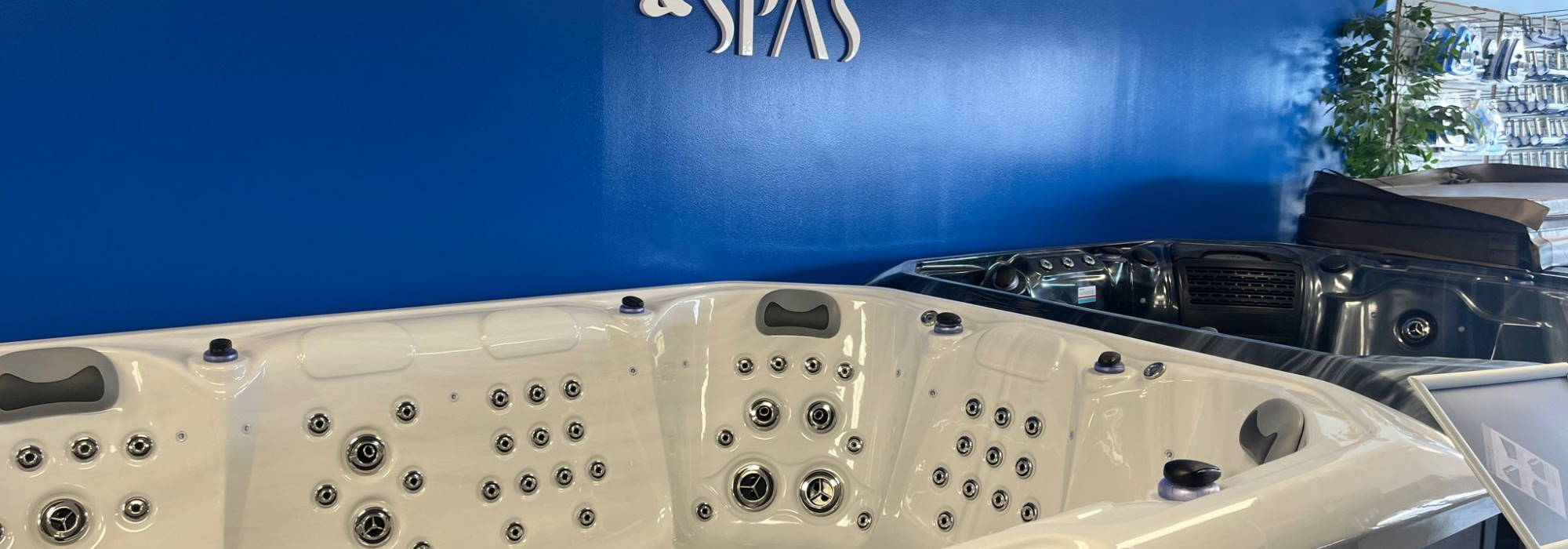
Salespeople aren’t the enemy. The good ones know how their models behave south of -20, and they’ll tell you if a feature is fluff. If you’re browsing Winnipeg Hot Tubs options in person, bring a quick checklist. Look at cabinet corners for sturdiness, feel the cover’s heft, and peek inside the equipment bay for clean plumbing and accessible parts. Ask for actual insulation specs, not just “very insulated,” and ask what it costs to fix a heater, a pump, or a control board. A store that answers those questions plainly is the kind of partner you want.
The Winnipeg factor: cold, wind, and snow load
Winnipeg doesn’t only get cold, it gets windy. That means heat loss through cabinet gaps, flimsy covers, and exposed plumbing. If you’re focusing on hot tubs for sale with winter in mind, prioritize full-foam or hybrid full-foam insulation. The cheaper “thermal blanket” approach can work in milder places, but here it often means the heater runs longer and harder.
Covers are your unsung heroes. A quality cover with a dense core and a tight hinge seal can save you real money. Also, consider snow load. A sagging cover becomes a cold bridge that leaks heat. Check the taper and ribbing, and ask the dealer what their covers weigh and how they handle deep-freeze weeks. If the cover has a drafty seam, you’ll feel it on your face the first January night.
Then there’s placement. Tuck the tub near the house on the leeward side if you can, and use fencing or hedges to break the wind. A three-meter windbreak can make a remarkable difference in heat retention and comfort. Sliding from your back door to the tub with thirty fewer steps matters too. Those first ten seconds in a blizzard decide whether you use the tub nightly or not at all.
New versus used: the honest math
Used hot tubs tempt with low upfront prices. Sometimes they’re a smart buy. Sometimes they’re an old snowmobile in disguise. The rule of thumb: know your ceiling on repairs before you commit. A used tub can eat up savings fast if you need a new heater, pump, and control board within a year. That said, I’ve seen lightly used showroom models that are essentially new but a few thousand cheaper.
If you go used, get the serial number, confirm the age, and ask for photos of the tub running and heating. Check the underside of the cover for waterlogging, and sniff the cabinet for mildew. On delivery day, plan to replace the filter, test the GFCI, and watch it come to temp. If it’s struggling to climb past 100 in a heated garage, it will suffer on a deck in February.
The features that actually matter here
Jets are great, but their count is a poor metric. Look for jet quality, placement, and pump power balance. Some budget tubs blast legs while barely stirring the lower back, which you’ll notice after five minutes. Ergonomics are everything. Sit in the dry tub and pay attention to shoulder fit, calf support, and the lip height for climbing in when it’s icy. If you feel awkward dry, you won’t feel better wet.
Insulation type, cover density, and a well-fitted cabinet are worth more than a few extra lights. Energy-efficient circulation pumps save money. A good filtration setup means fewer water changes, less chemical use, and less work. Ozone systems help, UV units help more, and both together can keep water sparkling with less chlorine. In Winnipeg’s deep cold, running an ozone system reduces the need to shock after every heavy use week, which keeps water chemistry stable and skin happier.
Heaters should be sized appropriately, often 4 to 5.5 kW for 240-volt systems. More isn’t always better, because your insulation and cover do the heavy lifting. Good sensors, reliable control packs, and accessible service panels cut downtime, and downtime in November hits harder than in July.
What power really costs in winter
We can’t give a single number that fits every tub, but here’s a workable range. A well-insulated, mid-size tub kept at 102 degrees can run 25 to 60 dollars a month in shoulder seasons, and 60 to 120 dollars in deep winter. Bigger tubs, leaky covers, or wind-exposed locations push that higher. Smaller tubs with excellent insulation and coverage do better. Two habits make a noticeable dent: keep the cover on when not in use, and avoid cranking from 98 to 104 every night. Set it and forget it. The heater runs less when the tub holds a steady temperature.
Electrical work matters. Many Winnipeg homes are fine with a 50-amp GFCI breaker and a clean run to the pad, but older panels sometimes need upgrades. Budget 800 to 2,000 dollars for electrical depending on complexity. If a quote comes in suspiciously low, ask about permit and GFCI inclusion. Permits aren’t red tape for fun, they protect you and your insurance, and they’re not expensive compared to fixing a botched job.
Base, drainage, and the dreaded heave
Your tub will weigh as much as a small car when filled. Put it on something that stays flat. A concrete pad is the gold standard, but many owners do fine with a properly compacted gravel base topped with patio slabs. The key is drainage, especially with freeze-thaw cycles. Water under the pad becomes ice lenses that lift the slab out of level. A minor tilt stresses the shell and shifts water toward one side, which cues weird sensor errors.
Give the pad a slight slope away from the house and make sure downspouts don’t dump near the tub. If you’re installing on a deck, get a structural check. Even sturdy decks sometimes need extra blocking to support a 3,000 to 5,000 pound load. This isn’t a scare tactic, it’s the unglamorous detail that keeps your investment happy for a decade.
Water care without a chemistry degree
People fear hot tub chemistry because they’re handed a shoebox of products with vague instructions. Winnow it down. You need to manage sanitizer, pH, alkalinity, and calcium hardness. Everything else is garnish. Test weekly, adjust lightly, and don’t overload with potions. In cold weather your top priority is clear, stable water that doesn’t irritate skin.
Chlorine and bromine both work. Bromine tolerates heat better, chlorine is cheaper and easier to find. If you go with ozone or UV, your sanitizer level can be lower while staying safe. Filters deserve more attention than they get. Rinse them every two to three weeks, and do a full soak clean every two months. Replace annually or sooner if they look tired. A clean filter is the difference between crystal water and chasing cloudiness.
Winter care tip: keep a spare filter and a small caddy of chemicals indoors. Opening a frozen storage bin with bare hands before a soak is a mood killer. Also, keep a dedicated towel hook near the door and a floor mat that grips. You’ll thank yourself on the first icy night.
Avoid the siren song of overspec
Bigger, louder, brighter isn’t automatically better. What you want is a tub that heats consistently, sips power reasonably, and suits your body. If you love strong hydrotherapy, pick a model with targeted back and foot jets, not a firehose everywhere. If you plan quiet evening soaks, underwater disco lights won’t matter, but a whisper-quiet circulation pump will. If you’ve got teenagers, a simple, locked control panel is sanity.
There is a sweet spot in the Winnipeg market where you get a reliable shell, good insulation, a solid cover, and a known control system without paying luxury premiums. If a dealer offers a winter package that bundles a better cover, steps with traction, insulated lines, and a cover lifter, that can be worth more than a fancier jet package.
Timing your buy: when Winnipeg deals actually appear
Retailers clear floor models near the end of the outdoor season, often late August through October. Another window pops up during January sales events when new model announcements roll out. Don’t wait so long that installers are backlogged into spring. If you find a model you like, ask frankly about delivery timelines and who handles the electrical coordination. A real “Hot tubs store near me” advantage is turnkey service: base, delivery, wiring, and first fill walkthrough. If they offer it and the price is fair, the convenience pays for itself in avoided headaches.
What a realistic budget looks like
For a dependable, mid-range new tub that fits four to six people, expect 6,500 to 12,000 dollars for the tub itself. Electrical and base prep add 1,000 to 3,500 depending on scope. Accessories like a cover lifter, steps with handrail, and initial chemicals add 300 to 600. That puts most responsible projects in the 8,000 to 15,000 range. Go used and you can land under 6,000 total, but build a reserve for repairs.
If a tub is significantly cheaper than comparable models, identify why. Sometimes it’s a promo win. Sometimes it’s thin insulation, basic controls, or a cover that bends after two winters. Thin insulation is a recurring culprit. It works fine at plus ten. It’s a different story when your neighbor’s breath fog hangs in the air like a ghost.
The two habits that extend tub life by years
You can baby a hot tub without becoming the pool guy. Keep the water balanced, especially calcium hardness, and keep the cover happy. Hardness protects heater elements and pumps from corrosion. If your municipal water is soft, add calcium; if it’s hard, don’t overshoot. As for the cover, treat the vinyl twice a year, clear heavy snow after storms, and replace the hinge seal when it cracks. A solid cover slashes energy use, and it’s the first line of defense against grit and heat loss.
One more practical tip: keep a cheap battery-powered headlamp near the back door. You’ll use it to read the control panel during a snowfall or check a weeping fitting without juggling your phone. The small conveniences are what keep the tub in your nightly routine rather than becoming an expensive garden ornament.
If you want luxury on a budget, aim for comfort, not gimmicks
What feels luxurious in January isn’t the number of cupholders. It’s sliding into water that wraps you, seats that fit your back, jets that hit the right knots, and quiet. It’s steam curling up while the aurora shows off. It’s not fussing with controls, not thinking about the power bill, not cursing a rattling pump. When you evaluate hot tubs for sale, picture February and ask: will I use this three nights a week for ten years? If the answer is yes, you’re onto something.
I’ve soaked in dozens of tubs around town, from budget rectangles to boutique beauties. The ones that get the most use share the same DNA. Strong insulation, thoughtful seating at two depths, easy-to-reach controls, a cover you can handle solo, and a dealer who picks up the phone. The owners talk about their spa like a favorite chair, not like a gadget.
A short buyer’s path that works
- Try before you buy if possible, or at least sit dry. Comfort beats jet count. Prioritize insulation, cover quality, and an efficient circulation pump. Place the tub out of the wind, close to the door, on a stable, well-drained base. Budget realistically for electrical, permits, and a quality cover lifter. Choose a dealer with proven winter support and clear parts availability.
Life after install: making it a ritual, not a chore
The best part of owning a hot tub in Winnipeg isn’t the first weekend. It’s the routine that settles in. Shovel a path, pop the cover, slide into 102, and let the day steam off. Ten minutes does more for a tense back than an hour of grumbling on the couch. If you share the tub, set a couple of house rules. Quick rinse before you get in, hair tied if needed, no glass near the water, and keep the cover closed and latched when you’re done. These tiny habits keep the water clean and the tub ready.
When the first polar vortex hits, don’t panic. Keep the tub running, maintain sanitizer, and avoid big temperature swings. If you travel, set the temperature a little lower, not off. A frozen tub is fixable, but it’s not fun, and it’s easily avoided with steady heat and a snug cover.
Where Winnipeg Hot Tubs vendors earn their keep
A great local dealer shows their worth the first icy night your panel throws an error. They’ll troubleshoot over the phone, dispatch a tech if needed, and get you back to hot water fast. They’ll stock filters and common parts, and they’ll tell you straight when a repair is worth it versus replacing. If you’re scanning “hot tubs store near me,” call two or three and ask real questions. How quickly can they service under warranty? What’s the typical response time during cold snaps? Do they have loaner covers if yours fails? You’ll hear the difference immediately between a salesperson and a partner.
Final thoughts from a yard full of steam
A hot tub in Winnipeg is one of those purchases that quietly reshapes winter. It pulls you outside when the stars are sharp and the neighborhood is hushed. It’s an antidote to stubborn shoulders and early sunsets. You don’t need the fanciest shell on the lot to get that. You need smart insulation, a strong cover, a sensible install, and a dealer who knows the climate as well as you do.
Scan for hot tubs for sale with that lens and you’ll sidestep most pitfalls. Favor comfort over spectacle, winter performance over marketing gloss, and service over sizzle. Before long you’ll be that person who looks forward to the first breath of cold on your face as you sink into heat, and you’ll wonder why you waited so long.