If you live in Winnipeg, you don’t need me to explain the value of hot water in February. The day the wind turns your eyelashes into tiny icicles, a well‑insulated tub becomes more than a luxury. It’s a morale plan. The challenge is finding a spa that actually holds heat when the mercury is rude, yet doesn’t light your hydro bill on fire. Energy efficiency isn’t just a green badge here, it is the difference between nightly soaks and a guilty glance at the breaker panel.
I’ve installed, serviced, or babysat my share of spas through prairie cold snaps. A handful of designs rise to the top for thermal performance, build quality, and real running costs in Winnipeg’s climate. Before we get to the seven picks, let’s clear up what “efficient” actually means when water is 40 C and the sky is plotting.
What makes a hot tub efficient in Winnipeg
Most “energy-smart” features sound nice in a showroom. The test is a week at minus 25 with a north wind. Three elements decide what you’ll pay per month.
Insulation strategy. There are two schools. Full-foam fills all cavity space with high-density foam, which reduces convective heat loss and cradles the plumbing to prevent vibration leaks. Thermal-cabinet systems leave a serviceable air space and use reflective barriers and strategic foam panels. The best thermal-cabinet designs trap waste motor heat and return it to the water, a perk when it’s brutal outside. Poorly executed thermal-cabinet tubs become heat-spewing drums.
Cover quality and fit. Heat escapes up, so the cover is your energy gatekeeper. A good cover is 4 to 5 inches thick at the center with a taper to shed snow, uses 1.5 to 2.0 lb density foam cores, and has a continuous heat seal along the hinge. Cheap covers wick water over time, get heavy, and lose R value. In Winnipeg, plan on replacing a cover every 4 to 6 years, sooner if it sits in full sun.
Circulation and controls. A dedicated low-watt circulation pump running 24/7 uses less power than cycling big jet pumps to filter. Paired with a well-calibrated heater, smart scheduling, and a freeze-protection mode that doesn’t overreact, this trims your consumption. Bonus points for variable-speed circulation and Bluetooth or Wi‑Fi controls so you can set eco modes when you travel.
If you’re browsing hot tubs for sale online, watch for a manufacturer to publish independent energy data. Look for standby draw at 102 to 104 F in a 60 to 70 F ambient, then mentally adjust for our winters. In my experience, a truly efficient 6 to 7 foot spa in Winnipeg, used 4 to 5 evenings per week, lands in the 25 to 55 dollars per month range averaged over the year. You’ll pay less in summer, more in January, and the cover and wind exposure matter as much as any spec sheet.
The seven energy-efficient picks that hold up when winter gets personal
I chose models that are commonly available through Winnipeg Hot Tubs dealers or that have reliable parts support in Manitoba. Availability shifts, so call ahead, but the build patterns hold steady.
1) Jacuzzi J‑235 or J‑245, when you want reliable efficiency without boutique pricing
Jacuzzi’s midrange J‑200 series doesn’t carry every bell, but it nails the basics that matter for heat retention. Full-foam insulation hugs the plumbing. The ProClear circulation setup lets the small pump handle the routine while the bigger pumps take a break. The covers are decent out of the box and upgradeable to heavier cores.
What I like in Winnipeg is the serviceability and part continuity. When a spa is buried in snow and your heater light blinks at 10 p.m., you want a heater and flow switch you can source locally. The J‑235 is a 6 person footprint with two pumps and a lounger, the J‑245 drops the lounger for an open bench. Running cost in a sheltered yard has hovered for my clients around 30 to 45 dollars per month averaged, with January spikes when usage jumps to daily.
Trade-offs. The J‑200 controls don’t have the deep app scheduling of some premium brands. The jets are comfortable, not face-peeling. That said, fewer high-amperage jet sessions can quietly help your power bill.
2) Hot Spring Highlife Sovereign, the king of steady heat and quiet sipping
Hot Spring’s Highlife line leans into constant temperature and low-watt circulation with their SilentFlo 5000 pump and a well-insulated shell. The No‑Fault titanium heater resists scaling, which keeps efficiency intact over years instead of months. The Moto-Massage jet is marketing candy, but the real win here is the insulation and cover fit. Hot Spring pays fussy attention to gasket-like seals around the bar top and equipment bay, where many brands leak heat.
With a good dealer setup, the Sovereign runs like a fridge, quietly and predictably. The FreshWater salt system also smooths maintenance, because clean water heats faster and doesn’t foam up a cooling layer. Clients who moved to a Highlife from a big box tub cut their winter bill by 20 to 30 percent in similar usage patterns.
Trade-offs. You pay for the engineering. The upfront price is higher, and component access can be tighter because of the dense insulation. In a Winnipeg context, the low noise and strong heat retention are worth it if you soak several nights a week.
3) Arctic Spas Summit, built with northern winters in mind
Arctic’s brand identity is winter swagger, and in fairness, they earn it. Instead of full-foaming the shell, they insulate the cabinet with reflective layers and foam panels, leaving the equipment and plumbing within a warm air envelope. When tuned right, the pumps’ waste heat reduces heater cycles. The structural shell is beefy, and the covers are heavy hitters with a proper center seal.
For prairie homeowners who want to service lines without digging through rigid foam, this design is a relief. I’ve opened cabinets in January to steam, not frost. Energy usage is competitive with full-foam peers, especially in windy backyards where a sealed cabinet avoids drafts. The Summit is a roomy layout with multiple therapy seats and good footwell clearance, which becomes a safety issue when you’re stepping in with a toque and gloves.
Trade-offs. The cabinet approach depends on a tight skirt and intact vapor barriers. If a panel warps or the equipment bay door doesn’t seal, performance falls off. Inspect the weather stripping yearly and replace tired pieces before winter.
4) Beachcomber 590 or 720 Hybrid, quietly frugal with a practical twist
Beachcomber mounts the equipment outside the tub’s footprint in their Hybrid collection. This allows continuous insulation around the shell, avoiding thermal bridges. They are full-foam and use high-density covers that lock tight. The result is a tub that sips, not gulps, and holds temperature well when you throw open the lid in minus 20.
What sells me on Beachcomber for efficiency is their focus on low-speed water movement and plumbing that doesn’t fight itself. Less turbulence in the pipe runs means less energy wasted. In Winnipeg, that invisible plumbing math shows up in lower run times to maintain clarity.
Trade-offs. The equipment being outside the cabinet can complicate installation if you are tight on pad space or snow clearance. Plan your pad and pump housing so you can shovel easily and keep vents open.
5) Bullfrog Spas A7, modular therapy with solid thermal chops
Bullfrog’s JetPak system gets the publicity, but the frame and insulation deserve equal attention. The A7 uses a sturdy frame that resists flex and creaks in cold, plus full-foam insulation with attention to the equipment bay and hinge seal. The appeal here is dual: strong year-round efficiency and the ability to swap JetPaks if your back decides to age in new directions.
In measurements from clients’ smart plugs and utility comparisons, the A7 sits respectably in the 30 to 50 dollar monthly band for Winnipeg climates, lower in sheltered yards. The Wi‑Fi control helps you set an away schedule if you head to the lake for a week and don’t want to heat full tilt with no one soaking.
Trade-offs. The JetPak price creep is real, and replacement packs aren’t cheap. If you are purely chasing lowest kWh, you can get similar efficiency for less money. If you prize therapy customization, this is the sweet spot.
6) Marquis Vector21 V77L, a straight shooter with honest insulation
Marquis sometimes gets overshadowed by louder brands, but the Vector21 tubs quietly perform. The V77L brings a lounge, good ergonomics, and thick, well-fitted covers. The insulation strategy is full-foam with careful sealing around penetrations, so you don’t see the small convective losses that plague bargain tubs. Their ConstantClean with SmartClean filtration logic runs the pumps smarter, not harder, which matters when you’re paying winter rates.
I’ve seen the V77L settle into a reliable rhythm: maintain setpoint without drama, heat recovery in minutes not hours after a long soak, and no steam pouring from the equipment bay in a cold snap. For homeowners who value predictable bills, this temperament is gold.
Trade-offs. The LED and sizzle features are modest compared to flashier lines. If you want nightclub lighting, look elsewhere. If you want hydrodynamics that don’t sabotage your hydro bill, put this on the shortlist.
7) Plug-and-play 120V efficient option: Freeflow Aptos Premier, when wiring is a hurdle
Not everyone wants to run a 50 amp line. A plug-and-play model can be a practical entry, especially in older Winnipeg homes where panel upgrades take time. Freeflow’s Aptos Premier is rotomolded, which means the shell is tough and forgiving, and the insulation package has improved in recent years with denser foam and better covers.
Be honest about physics. A 120V tub heats slower and loses temperature faster with heavy jet use in deep winter. If you keep the lid closed between quick soaks, add a floating thermal blanket, and position the spa out of the wind, you can keep the average monthly cost reasonable and avoid an electrician bill up front. I’ve seen owners bridge a couple of winters this way while planning a proper 240V install.
Trade-offs. You give up peak performance on the coldest nights. If your winter ritual involves hour-long jet cycles while the aurora does its thing, a 240V, two-pump spa is your friend. If you soak short and often, the Aptos Premier holds its own.
How to choose among them without guessing at your bill
Two backyards that look identical on Google Maps can behave very differently once the snow flies. Before you commit to a model, do a short audit of your site and habits, then match features that actually lower kWh rather than promise it.
Wind exposure and placement. A tub tucked against the house on the leeward side, with a fence and some evergreen break, uses meaningfully less energy than one sitting proud on an open pad. Wind strips the thin boundary layer of warm air over the cover and cabinet. Even a simple privacy wall reduces convective loss.
Cover handling in winter. If you fight the cover in December, you will leave it half open while you soak, and the heater will run like a space shuttle. A hydraulic lifter with snow clearance space behind the tub saves both your back and your bill. Choose a lifter that supports the cover so the hinge seal stays tight.
Soak cadence. Short, frequent soaks favor systems with efficient recovery and 24/7 low-watt circulation. Long, social sessions with the jets on high benefit from larger heaters and tight insulation, otherwise you’ll watch the temperature drop five degrees over the evening and then pay for a big reheat.
Maintenance bandwidth. Dirty filters and high TDS water force longer heat cycles. If you’re a set-it-and-forget-it type, look for salt or simplified sanitation and easier filter access. It’s not just convenience, it’s energy discipline.
Budget and total cost. A premium spa with better insulation can cost more upfront but pay back in 3 to 6 winters, depending on usage. If you soak four nights a week from November to March, that better build pencils out. If you only use it in shoulder seasons, a midrange model with a quality aftermarket cover may be smarter.
Real numbers: what Winnipeg owners actually pay month to month
Hydro usage depends on ambient temperature, wind, setpoint, and soak time, but some patterns repeat in this city. A full-foam, premium mid-size tub, set to 103 F, soaking 30 to 40 minutes four evenings per week:
- Summer: 10 to 20 dollars per month, mostly filtration and standby. Shoulder seasons: 20 to 35 dollars. Deep winter: 40 to 70 dollars, spiking another 10 to 15 dollars during extreme cold snaps or parties.
That range assumes a good cover, a lifter, and a reasonably sheltered spot. Plug-and-play units add variability, because the heater fights to recover during jet use. Owners who use a floating thermal blanket and keep their cover hinge seals clean often shave 5 to 10 percent off the top. It’s not glamorous, but it’s measurable.
Where to buy in Winnipeg without playing roulette
Search results for hot tubs store near me will show a mix of specialty dealers and seasonal storefronts. The difference becomes clear the first time a temperature sensor throws a code during a cold snap. Established Winnipeg Hot Tubs dealers carry parts and pick up the phone in January. They also know which models don’t flinch at minus 30 and which covers sag after a season.
When you walk in, bring your questions and your measurements. A good salesperson will talk more about your yard and schedule than about jet counts. If they lead with “13 pumps and a waterfall,” ask about insulation density, cover hinge seals, and service protocols during a blizzard. Watch their eyes. Enthusiasm for foam density is a good sign in this town.
Setup choices that quietly save you money for years
The best energy savings come from tiny decisions you make before the first fill. I’ve seen homeowners spend thousands on top-tier models, then give those savings back to the wind.
Pad height and drainage. Keep the hot tub slightly elevated above grade with a gentle slope away. Meltwater pooling around the cabinet invites ice and air leaks, and a wet base means vapor that steals heat. A pad of crushed stone with a concrete cap or a reinforced modular pad works well.
Electrical run. Use proper gauge wire and tight connections. Voltage drop on a long, skinny run forces the heater to work harder. In a Winnipeg bungalow, the panel-to-pad distance isn’t usually extreme, but I’ve seen backyard runs that needed a heavier gauge to keep the heater honest.
Wind breaks that don’t trap exhaust. A fence or pergola with gaps reduces turbulence without suffocating the equipment bay. Solid walls tight to the cabinet can trap moist exhaust and corrode fasteners. Give the equipment side a breath path, and leave a snow shoveling lane to keep vents clear.
Cover care as a ritual. Rinse and dry the hinge every few weeks. If the hinge channel fills with ice, your “continuous seal” becomes a heat chimney. Wipe the underside of the cover so condensation doesn’t crust into an insulating frost layer. The difference shows up in recovery time.
Water care. Heat transfers faster through clean water. High TDS and foam act like a blanket in reverse, slowing heat movement and forcing the heater to run longer to achieve temperature. If the water starts to smell like a locker room or feels sticky, it’s not just gross, it is costing you money.
A note on salt systems and winter efficiency
Salt systems lower the fiddle factor and keep chlorine levels steadier. In winter, that translates to fewer big chemical corrections that force you to purge air and run extra filter cycles. They also help water feel softer at 103 F, which means you might soak at 101 or 102 and still feel relaxed. Every degree down saves a read more noticeable amount over a season. The flip side is electrode maintenance. Keep the cell clean to maintain efficient production, especially with hard Winnipeg water. A quick acid rinse at scheduled intervals preserves both sanitizer output and heating performance.
When a used hot tub makes sense, and when it absolutely doesn’t
There are bargains in the private market, and there are time bombs. If you’re considering a used spa in January, bring a flashlight and blunt skepticism.
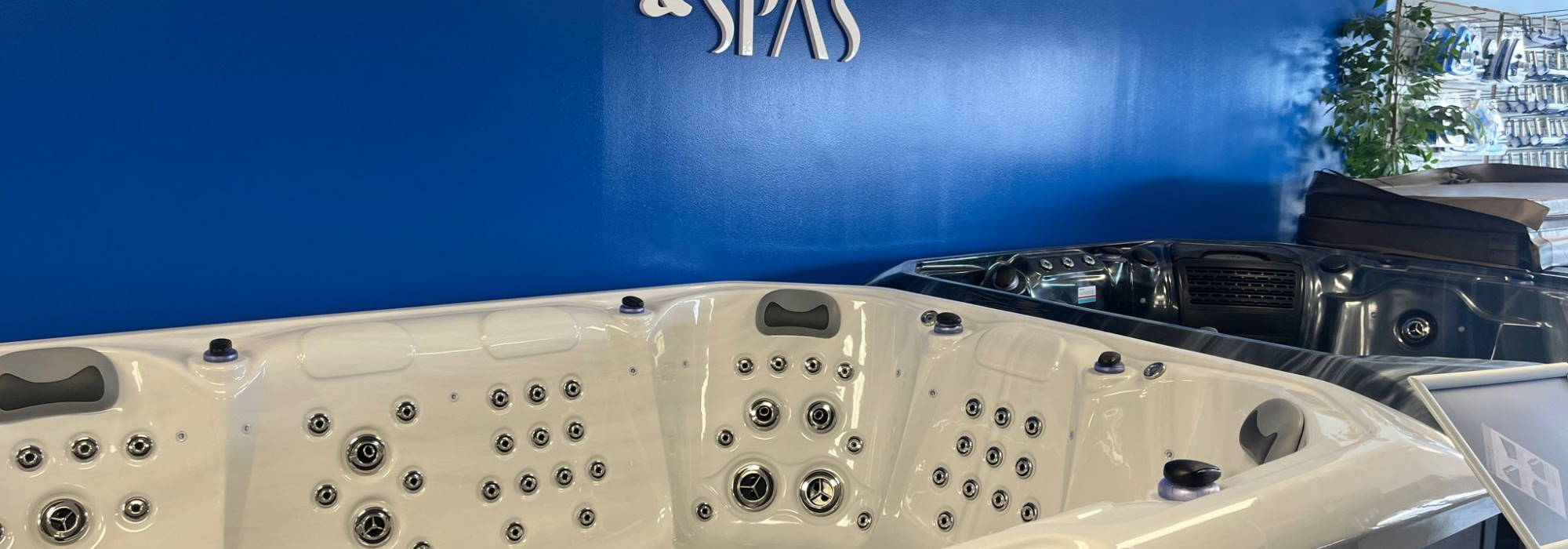
Good signs: a dry equipment bay with no white crystal trails, an intact cover with a springy core, firm cabinet panels, and a clear run history from the seller. If it’s running on site, watch for steady temperature maintenance and quiet circulation.
Walk away signs: waterlogged cover that bends like a sandwich, rodent droppings in the cabinet, spray-foam repairs on plumbing elbows, or a heater that cycles rapidly without a soak. Replacing a heater, pumps, and cover can erase your “deal” fast. In Winnipeg’s climate, small leaks turn into frozen cracks that multiply by spring.
The short list, mapped to real-life scenarios
Everyone’s backyard and budget are different. If you want a quick pairing guide without pretending there’s only one right answer, consider these matches.
- Daily soaker couple, sheltered yard, long-term ownership: Hot Spring Highlife Sovereign or Beachcomber 720 Hybrid. Low hassle, low watt draw, excellent cover seals. Big family or social host, open yard with wind, wants service access: Arctic Spas Summit. Thermal-cabinet design and easy winter service save headaches. Mid-budget, reliable components, straightforward to live with: Jacuzzi J‑235/J‑245 or Marquis V77L. Honest insulation, available parts, predictable bills. Therapy customization is king, tech-forward controls: Bullfrog A7. Efficient base with flexible JetPaks and useful scheduling. Rental property or wiring constraints, lightweight install: Freeflow Aptos Premier. Accept the limits, set realistic soak patterns, add a thermal blanket.
Final sanity checks before you buy
Hot tubs are emotional purchases, and rightly so. But a few unemotional minutes will keep your energy bills friendly.
Measure twice, shovel once. Confirm cover lifter clearance with winter snowbanks in mind. A lifter that hits a fence post in January ends up half open and hemorrhaging heat.
Ask for a real cover. If the standard cover is 1 lb density foam, pay for the upgrade. A heavier cover in Winnipeg pays itself back in one or two winters.
Check dealer winter procedures. Do they stock heaters and flow switches locally? Do they answer emergency lines during cold snaps? A dead circulation pump at minus 28 isn’t a spring project.
Look at the underside. If the cabinet base is particleboard or raw wood near grade, it will wick and rot. A synthetic or sealed base maintains the thermal envelope.
Plan for water. Where will you drain in March without creating an ice rink? A simple hose run to a gravel bed prevents sheets of ice that reflect sunlight and increase heat loss around the pad.
Hot tubs for sale come in every shape, price, and promise. In Winnipeg, the winners combine thick, well-fitted insulation, smart low-watt circulation, a cover that actually seals, and a dealer that doesn’t go quiet when the wind howls. Get those right, and your winter routine shifts from endurance to ritual. Steam rises, stars crackle, and your hydro statement stays calm. That’s the kind of efficiency that matters on the prairies.