There is a special kind of optimism involved in shopping for a hot tub. You can already picture twilight steam rising against your porch light, your shoulders unclenching, friends laughing, the whole backyard glow-up. Then you meet the alphabet soup: jets, pumps, heaters, 240-volt wiring, GFCI, shell composites, insulation types, ozone versus salt, warranties written like riddles. I have helped enough homeowners pick, install, and occasionally return hot tubs to know which details matter and which are marketing mousse. If you are scanning every “hot tub for sale” listing in a 200-mile radius, slow your scroll for a few minutes. Here’s how to buy the right spa once, not twice.
How much tub do you actually need?
Everyone starts by counting seats. That’s not wrong, just incomplete. Seat count is part reality, part geometry. A “7-person” spa means seven cooperative people who do not mind a little shin contact. If you want roomy soaks with four adults and occasional guests, look at five or six seaters. Loungers look tempting, yet they eat space and fit specific bodies. I have seen more than one buyer fall in love with a lounger at a showroom, then discover at home their hips float up every time the pumps kick on. If you really want a lounger, sit in it dry, then wet, and test whether you can keep your feet braced. If you are under 5'6" or over 6'2", fit becomes even more important.
Depth matters. A deeper tub gives better shoulder coverage and more buoyancy, but can be harder for kids or older adults to enter. Check the actual water depth rather than overall height. Around 36 inches of water feels substantial without needing a climbing rope.
The size question also includes where it will live. Tape the footprint plus a working perimeter. You need space for a cover to swing, for service access on at least one side, and a safe path to the breaker. Clearances vary by brand, but I like 18 to 24 inches on the service side. Measure gate widths, deck joist spacing, and any turns the delivery crew must make. A 900-pound dry tub does not pivot like a bar stool.
Construction that lasts beyond the honeymoon phase
A good shell feels like a single piece of purpose, not a thin bowl flexing under your weight. Acrylic or ABS-backed acrylic with fiberglass reinforcement still leads the pack for strength and finish. Rotationally molded polyethylene tubs are cheaper and tough, but the surface can scratch and they often offer less insulation and fewer jet features. A premium composite shell with a continuous, well-bonded backing resists micro-cracks from thermal cycling. Ask the dealer whether the shell is hand-rolled or sprayed. Hand-rolling takes longer and often yields more consistent thickness.
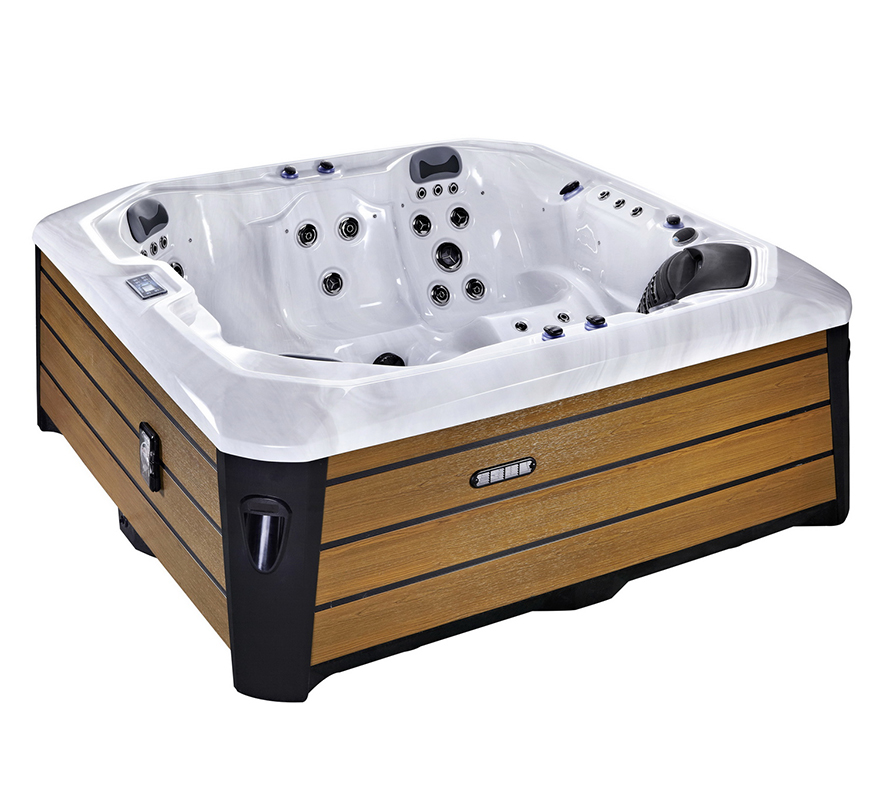
The cabinet surrounds three realities: weather, hose mishaps, and your teenager’s basketball. Synthetic cabinets win for low maintenance. Real wood looks fantastic for the first year but demands sealing and tends to fade or warp. I have replaced too many cedar panels for clients who underestimated UV and sprinkler overspray. If you love the wood look, pick a quality composite with UV inhibitors and get the color you want now, not “I’ll stain it later.”
Under the cabinet, insulation separates efficient spas from power-hungry steam kettles. Full-foam tubs pack foam between the shell and cabinet, capturing motor heat and stabilizing plumbing against vibration. They hold temperature very well, especially in cold climates, and the pipes have less room to wiggle and crack. The trade-off is service: a leak can mean digging through foam to find the culprit. Perimeter-insulated tubs keep the interior cavity open for easier repairs but often lose more heat. If you live where winter bites, full-foam generally pays for itself. In mild climates, a well-designed perimeter system with reflective barriers can perform fine. Ask for actual R-values and, better yet, energy consumption data from standardized tests. Some manufacturers share measured kWh per month at 102 degrees Fahrenheit in a 60-degree ambient environment. Those numbers tell the truth your electric bill will eventually repeat.
Jets, pumps, and the temptation to count your way into disappointment
A jet is not a jet is not a jet. A spa can brag about 72 jets, yet most of them might be little air-accent holes that feel like a fizzy soda on your back. You want quality jets arranged for muscle groups, not shotgun pellets. Larger hydrotherapy jets with adjustable direction and mix matter more than raw quantity. If the layout gives you firm pressure over the shoulder knots, the paraspinals, and the feet, you will actually use the tub for relief, not just heat.
Pumps convert electricity into water movement and massage power. One strong pump with smart plumbing can feel better than two weak ones driving water through a maze of elbows. Look at horsepower ratings with skepticism. Continuous duty horsepower is the honest figure, not peak. Also check for diverter valves that let you aim full flow to a set of seats. A quiet circulation pump running 24/7 protects water quality without roaring. That little pump uses a fraction of the energy of the therapy pumps and keeps the heater happy.
Lighting and waterfalls are aesthetic sprinkles. They are fun, and a sheet waterfall can add white noise that masks backyard sounds, but do not trade away a better pump or insulation budget for LEDs you will stop noticing after week three. Good headrests are worth more than the brochure suggests. Soft enough to lean into, easy to remove for cleaning, resistant to chemical attack. Go ahead, imagine yourself sitting there reading on a chilly evening. The neck tells the truth.
Power and placement, before you swipe the card
A typical full-sized spa in North America runs on a dedicated 240-volt, 50-amp GFCI circuit, hard-wired by a licensed electrician. The code specifics vary by jurisdiction, yet most installs end up with a weatherproof disconnect mounted within sight, 5 to 50 feet from the tub. Expect to pay for wire, conduit, and labor. On an easy run to a nearby panel, I have seen invoices around 900 to 1,500 dollars. Long runs, concrete trenching, or subpanel upgrades can push costs to 2,500 to 4,000. If you are hunting a hot tub for sale and wondering why the “great deal” keeps inflating, this line item is a big reason.
There are plug-and-play 120-volt models. They are convenient, and a few are better than you would expect, but physics remains physics. A 120-volt heater often struggles to keep temperature when the jets run in winter. If your climate is warm or you are fine soaking at 98 degrees, they can serve. If you want 102 to 104 degrees while the pumps work your back in January, plan for 240 volts.
The ground under a hot tub should be flat, strong, and bored by drama. Concrete pads win for permanence. Pavers over compacted base work if leveled properly, and a beefy deck can carry the load with correct joist spacing and blocking. A filled 7-foot spa regularly tips past 4,000 pounds. Add people and it climbs. I have seen deck rails bow when a tub was set over undersized joists, and the fix cost more than the tub. If in doubt, have a contractor calculate load capacity. And if you are in a frost zone, avoid setting directly on bare soil. It heaves, your tub tilts, and you forever sit like you are leaning into a corner booth.
Water care without the chemistry degree
Healing soaks, clear water, no rashes. That’s the goal. The tools are simpler than the parade of bottles suggests, as long as you respect routine. You need a primary sanitizer, a way to oxidize organics, and a filtration schedule that matches your use.
Chlorine works, especially in dichlor-then-bleach routines where you stabilize cyanuric acid early and avoid over-accumulation. Bromine does well at higher temperatures and tends to be easier on the nose for some people. Ozone systems help break down organics, and UV systems can supplement sanitation, but neither replaces a residual sanitizer. Saltwater systems generate chlorine on-site from sodium chloride. When tuned right, salt feels great on the skin and maintains steadier levels with less daily fuss. Not all brands implement salt equally, and high salt levels can accelerate corrosion and degrade certain headrests or heaters. If you choose salt, follow the manufacturer’s salt range closely and test with strips you trust.
Filtration is the workhorse. Cartridge filters like to be rinsed weekly and deep cleaned monthly, then replaced every year or two depending on usage. If you host large parties, the filter will deal with lotions, hair products, and heartfelt conversations that shed skin cells. Shock the water after heavy use. How much? Depending on sanitizer type and hot tub volume, often a tablespoon or two of dichlor or non-chlorine shock after a group soak keeps the water crisp. Drain and refill cycles vary by spa size and bather load, but many owners find a 3 to 4 month rhythm keeps total dissolved solids in check. If your water source is hard, add a pre-filter on the hose during fills. It saves you from wrestling with scale later.
Digital control panels that display pH and sanitizer levels are evolving, yet trust, verify. Keep a reliable test kit or high-quality strips on hand. Fancy wireless apps are nice, particularly when you want to read more bump the temperature before you get home, but they are no substitute for eyes on water and a quick test.
The cost of soaking, upfront and forever
The price tag on a hot tub is only the cover on a longer book. Entry-level rotationally molded tubs can run from 3,000 to 6,000 dollars. Mid-range acrylic models with good insulation and decent jetting often land in the 7,000 to 12,000 range. Premium tubs with full-foam insulation, strong hydrotherapy, silence engineered into the pumps, and sturdy frames often price out between 12,000 and 18,000, with luxury brands reaching beyond 20,000. The spread reflects build quality, dealer support, and sometimes the badge on the front more than tangible differences in components. The best value lives in the middle, where features meet reliability.
Installation costs pile on: electrical work, pad or decking, crane rental if access is tight. Plan a budget line for a cover lifter and steps. A good cover lifter spares your back and keeps the cover from hitting the ground; budget 200 to 500 dollars. Steps with solid treads and a handrail make nighttime entries safer. Add chemicals, test supplies, and a spare filter to your opening order.
Ongoing costs include electricity, chemicals, new filters, and eventual cover replacement. Energy use varies with ambient climate, insulation, cover quality, and how often you open the lid. In temperate areas, many efficient tubs average 20 to 40 dollars per month. In cold climates, 40 to 70 dollars is common, with winter spikes if you like longer soaks. Skimping on the cover is false economy. A waterlogged cover weighs a ton and bleeds heat all night. Expect to replace a cover every 4 to 6 years, sooner if the vinyl faces harsh sun or you neglect to keep it clean and conditioned.
New, used, or refurbished: reading the listings with clear eyes
“Hot tub for sale, gently used, must pick up” can be a bargain or a headache with jets. Used tubs depreciate rapidly, which can work in your favor if the brand is reputable and parts remain available. Before handing over cash, see it running at temperature. Not “we ran it last week,” but hot, with jets cycling, for longer than a quick demo. Watch for drips around pumps and unions. Check the control panel for error codes. Inspect the underside if accessible for past leak trails or foam surgery. Smell the inside of the cabinet for sour mildew, a tell of long-term dampness. Look at the date codes on the pumps and heater if visible. If the cover is waterlogged, factor a replacement.
Refurbished tubs from dealers can be a smart middle path. The good ones replace high-wear parts, test to temperature, and warrant their work for at least several months. Ask what exactly “refurbished” included. New jets and seals, or just a cleaned shell and a polish? If the refurb price approaches a new mid-range model with a real warranty, compare closely.
Warranties you can actually use
A warranty is only as good as the company and dealer behind it. Shell structure warranties of 5 to 7 years are common; some premium lines go 10 or more. Surface finish warranties are shorter, often 2 to 5 years. Equipment and plumbing warranties typically land in the 2 to 5 year range. Read exclusions. Water chemistry abuse language appears in almost every policy, and it gives cover for denying claims if your pH has been a roller coaster. Reasonable companies can see the difference between a single bad week and months of neglect, yet you do not want to rely on charity.
The dealer’s service department matters as much as the brand name. A slow or unresponsive dealer turns a minor leak into a season without soaking. Ask the salesperson who handles warranty work, how many techs they have, and what their typical response time is in peak season. If they dodge specifics, that is a tell.
Noise, access, and neighbor diplomacy
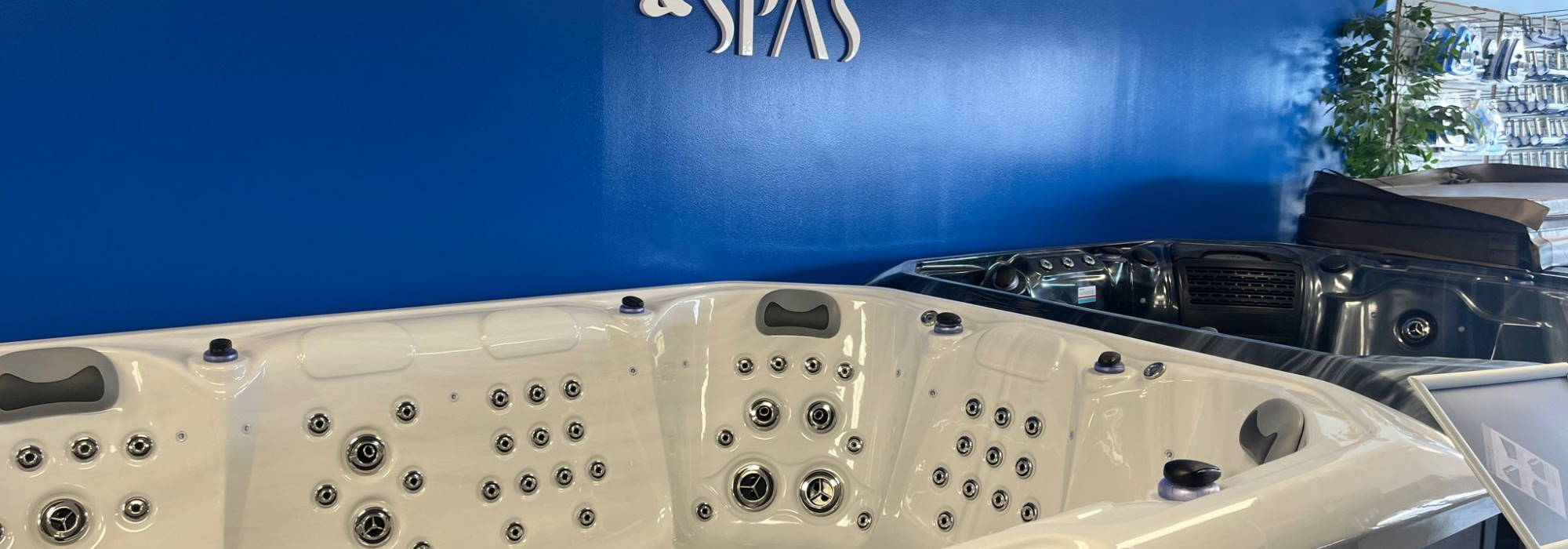
Hot tubs make several kinds of sound: circulation hum, pump roar during therapy, and sometimes cabinet resonance that turns a pump into a drum. In a showroom, the space lies to you. Hard ceilings and other tubs can mask or amplify noise. If quiet matters, ask to hear the same model in a backyard or request a no-jet circulation demo. Look for rubber isolation mounts and well-fitted cabinets that do not rattle.
Placement fixes half of the noise battle. Setting the equipment side away from bedrooms helps. A privacy fence or hedge absorbs reflections and improves the mood. If your neighbor’s window sits 10 feet away, charm them with an invitation to soak before they file a noise complaint during your midnight soak.
Real-life ownership rhythms
Hot tubs reward small habits. Flip the lid for five minutes after shock treatments. Wipe the waterline weekly so it never becomes a line of shame. Rinse the filter while the coffee brews. Keep a dedicated pair of sandals near the steps. If you live where fall dumps leaves, plan a cover discipline: open, lift, fold, and set it snug when you are done. It sounds obvious until a windstorm folds your cover like a taco and slaps it into the rose bushes.
Hosts learn another rhythm. If you run hot at 104, drop temperature to 101 or 102 when you expect guests. People linger longer and exit less woozy. Keep a pitcher of water nearby and a stack of clean towels warmer than room temp, even if it’s just tossing them in the dryer for a few minutes before friends arrive. These little touches define the difference between a novelty and a ritual.
A short checklist for showroom sanity
- Sit in the exact model, wet if possible, and test both corner and middle seats. Ask for measured energy data, not estimations, and look at insulation type. Confirm electrical requirements and price a realistic install with your own electrician. Read the warranty exclusions and meet the service manager, not just the salesperson. Inspect the cover quality, lifter design, and step stability, since you will use them daily.
A quick compare, when choices feel like fog
- Comfort: Seat depth, footwell space, jet placement and adjustability matter more than jet count. Efficiency: Full-foam insulation, tight-fitting cover, and a separate circulation pump save money and noise. Reliability: Reputable brand, accessible parts, and a dealer with real service techs reduce downtime. Simplicity: Water care system you understand and will actually maintain beats clever but finicky options. Fit: Size for how you soak most nights, not for the annual party you will host once.
Reading beyond the showroom gloss
Five minutes into a polished sales pitch, everything sounds essential. Frame your purchase around your nights, not their bullet points. If you picture quiet recovery after workouts, prioritize deep, supportive captain’s chairs, targeted jets, and a control system that gets back to your favorite settings with one button. If you imagine spontaneous family soaks, wide open benches, steps that small feet can climb, and textured non-slip surfaces will see more use than a deep lounger. If your climate swings from freeze to fry, a beefier cover, solid cabinet seals, and proven insulation keep the tub in the sweet spot without a guilt-inducing power bill.
When you find a hot tub for sale that checks your boxes, pause long enough to confirm the boring parts are solid. Clear access for delivery. A base that will not drift. Electrical that will pass inspection. A dealer who answers calls after the contract is signed. Then you get to focus on the pleasant work: where to hang the string lights and which playlist to save for late October steam.
A note on salt, ozone, and the spa tech alphabet
The salt versus ozone conversation gets heated in forums. In practice, salt systems shine for steady-state users who like set-it-and-sip-it convenience. They excel in households where daily or every-other-day soaks maintain a rhythm the generator can match. Travelers who leave the tub idle for weeks return to find salt cells need recalibration, and sometimes biofilm throws a welcome-back party. Ozone injects oxidizing gas that breaks down organics and reduces sanitizer demand. It is not a free pass; residual chlorine or bromine still carries the safety load. Combination systems are common and can work well if the underlying plumbing and controls are solid.
What about “no-chemical” systems marketed like a spa day miracle? Read the fine print. Most rely on minerals, silver ions, or clarifiers that absolutely require a low residual of chlorine or bromine for safety. If someone promises clear, safe water with zero traditional sanitizer, ask for third-party lab data, not just before-and-after photos. Body oils and bacteria are stubborn, and hot water amplifies their enthusiasm.
Weatherproofing your habit
If you live in snow country, the path to your spa decides whether you use it nightly or only when guests come over. Heated mats turn treacherous steps into easy walks. A simple pergola or awning makes a bigger difference than most buyers expect, keeping rain and snow off the cover and cutting wind that steals heat from wet skin. In hot climates, shade keeps the shell from baking and the cover from aging prematurely. Choose a lighter cabinet color if your spa bakes in direct sun all afternoon. Dark composites absorb heat and can fade faster.
Wind screens matter. A 10 mile-per-hour breeze will chill a wet back in seconds, and you will cut a soak short that would have been blissful otherwise. Lattice with climbing plants, tall planters, or a privacy fence inhabit that perfect middle ground between aesthetics and function.
After the first year, what still matters
The thrill of a new tub settles into a pattern. The spas that keep their owners happy suffer in silence. They hold temperature without fuss, circulate quietly at night, and never ask for a service call beyond a scheduled check. When owners grow annoyed, the complaints sound similar: The cover got heavy fast. The control panel fogged. A pump developed a whine the dealer cannot chase down. Jets pop out. All of these trace back to build quality and post-sale support.
Ask your dealer if they stock common parts locally. A winter failure on a circulation pump should not mean waiting three weeks for a shipment. Some brands are legendary for modular, replaceable components and clear service documentation. Others guard procedures like state secrets. The former earn loyalty, the latter earn forum rants.
Making the decision without second-guessing it for the next five years
The right tub does a few simple things very well. It fits your body and your space. It keeps water hot without drama. It treats your electric bill with respect. It offers massage in the places where you carry your stress. It gives you a routine you enjoy keeping rather than a chore list you dread. Prices, promos, and feature names will swirl until they blur. When you isolate the lived experience you want, the shortlist shrinks.
Try to see your top contenders in person, ideally wet-tested. Bring a towel, a swimsuit, and a little skepticism. Sit in each seat. Close your eyes while the pumps run. Listen for the resonance that tells you the cabinet is an echo chamber. Ask the salesperson to show you the equipment bay. A clean, organized interior with labeled plumbing inspires confidence. If the bay looks like a spaghetti fight that never ended, take note.
Lastly, give equal attention to the unglamorous add-ons. A sturdy, well-fitted cover lifter saves your shoulders, and you will touch it every single time. Steps with a handrail prevent one bad slip that ruins the season. A spare filter lets you swap immediately and clean at leisure. If a dealer throws in a mountain of chemicals but skimps on these pieces, renegotiate.
Hot tubs are indulgent in the best way, but they are also appliances. Treat the purchase like you would a kitchen range or a heat pump. Demand efficiency, reliability, and service. Then treat the ownership like you would a favorite ritual. Keep the water honest, the lid closed, and the path clear. Light the lantern, turn the dial to your favorite number, and let the steam do its quiet work.